
Short answer: Tesla Megapack is a factory-built, utility-scale battery that stores electricity when the grid (or renewables) has surplus and discharges when demand spikes or generation dips — so operators can firm intermittent solar/wind, replace or displace fossil peaker plants, and buy milliseconds of frequency/voltage support that gas turbines cannot match. The product is real and deployed at multi-GWh sites. It does not invent energy, erase interconnection queues, or make Tesla the only BESS supplier.
The grid / storage problem
Grids were built around always-on thermal plants. Solar and wind invert that: cheap electrons show up when the weather cooperates, not when air-conditioners or factories peak. Without storage, excess midday solar gets curtailed, evening ramps need expensive peaker plants, and frequency can sag in milliseconds after a generator trip.
The missing piece is not “more panels.” It’s time-shifting and fast response: hold energy for hours, inject or absorb power in under a second, and (in weaker grids) help form voltage and frequency rather than only following them. Pumped hydro still dominates long-duration storage globally, but batteries install faster and sit closer to load or renewables.
What Megapack actually is
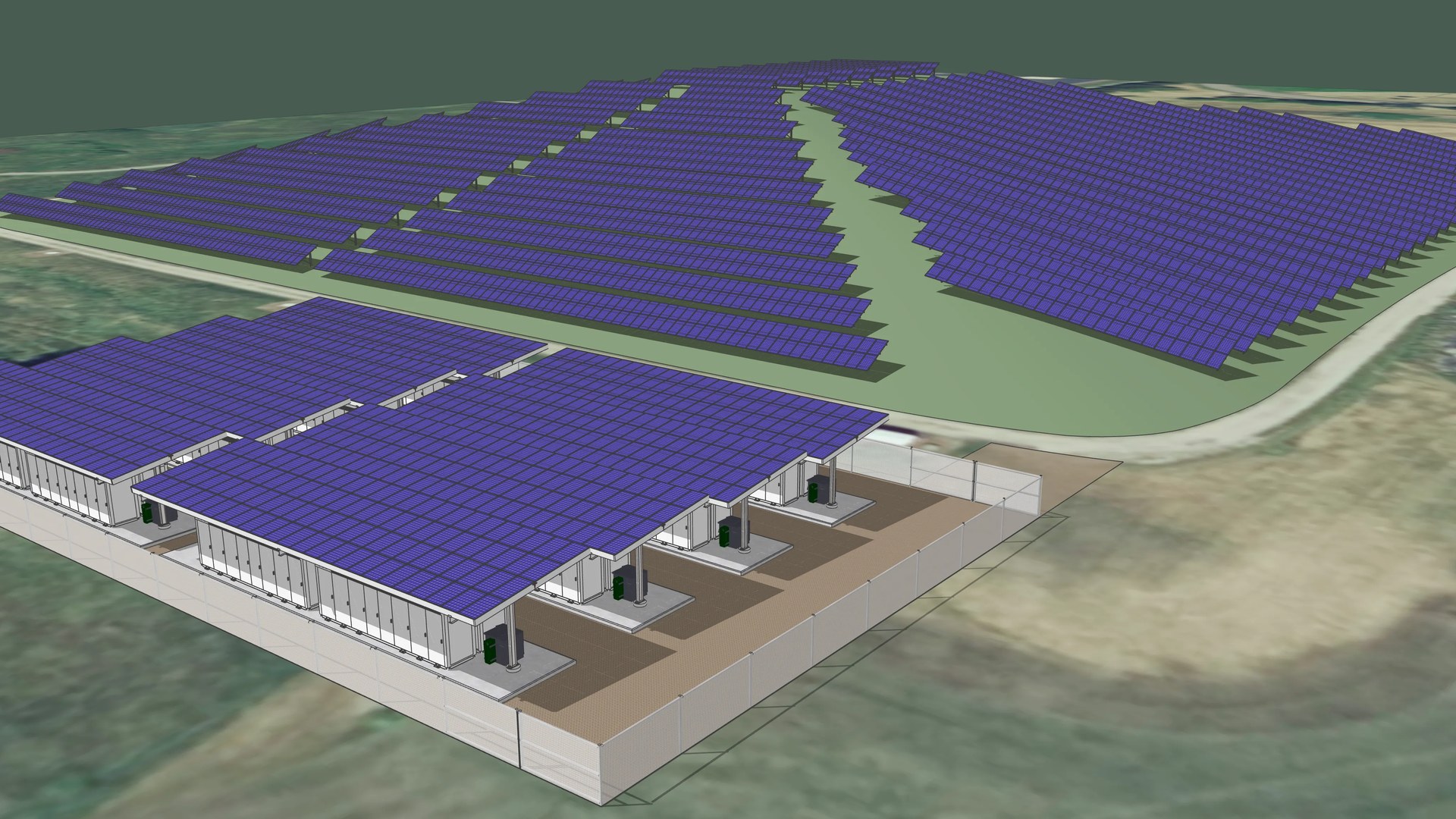
Megapack is Tesla Energy’s container-scale lithium-ion storage block for utilities, developers, and large industrials — not a home Powerwall. Units ship as integrated packages (cells, inverters, thermal management, controls) so sites can be built from repeating blocks instead of custom rack-by-rack builds.
Public specs put Megapack 2 XL around ~3.9 MWh per unit. Tesla’s next generation, Megapack 3 / Megablock, is framed as denser (~5 MWh per Megapack 3; Megablock = up to four packs plus medium-voltage gear). Software layers (plant controls, Autobidder trading where used) matter as much as the boxes: the revenue stack is peak shaving, energy arbitrage, ancillary services, and increasingly grid-forming support.
| Job people mean | What Megapack is built to do |
|---|---|
| Replace gas peaker plants | Discharge for peaks; respond faster than thermal units (site duration still limited by MWh) |
| Make solar/wind “firmer” | Charge when generation is high / prices low; discharge when they are not |
| Keep frequency / voltage stable | Millisecond power response; grid-forming modes on supported projects |
| Backup for campuses / data centers | Ride-through and microgrid use cases (project-specific, not automatic) |
Where it has been deployed
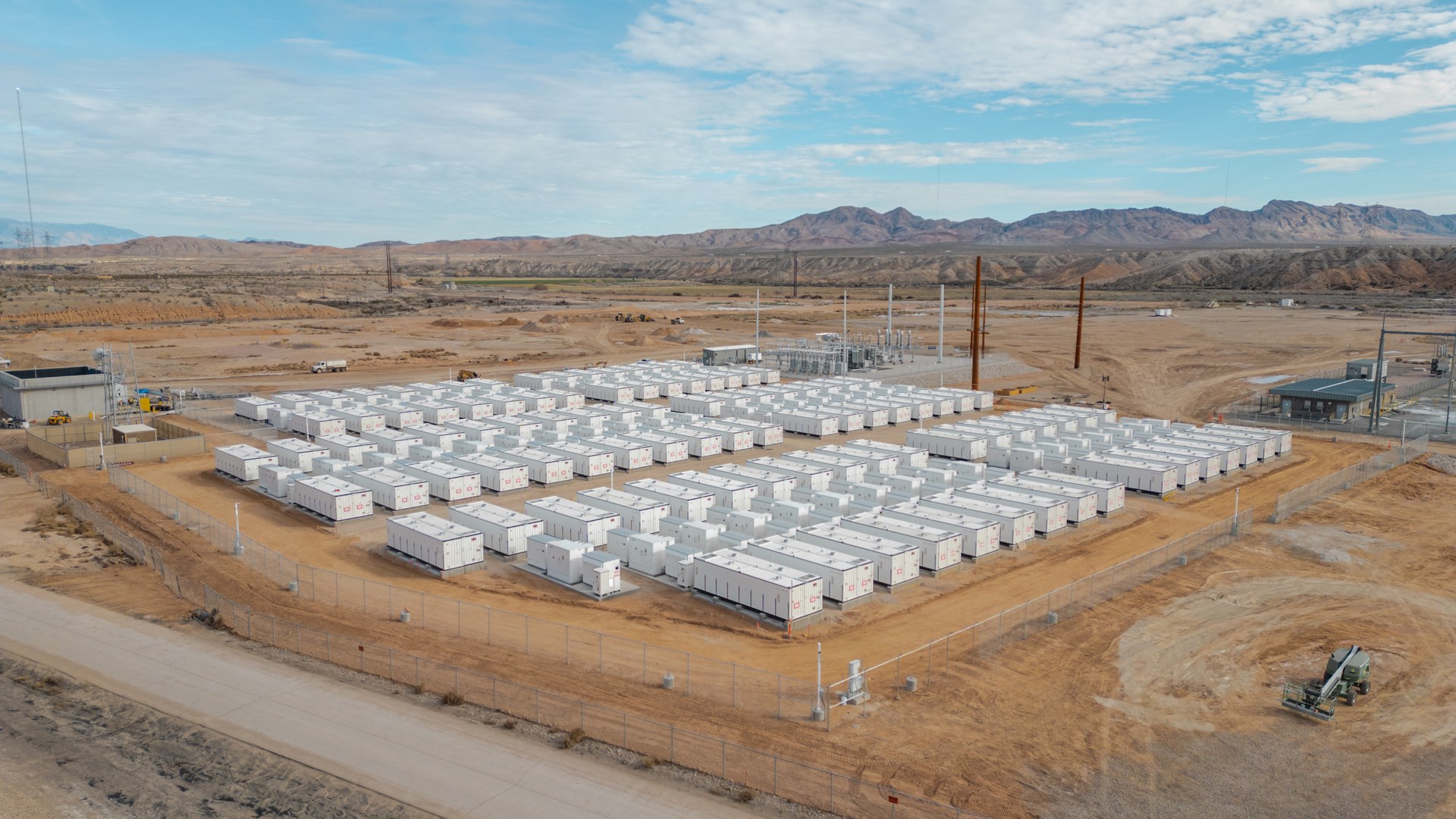
Named Megapack projects include early utility installs (e.g. Saint John, Canada), California peaker-replacement and utility sites (including PG&E’s Moss Landing Megapack system), and Australia’s Victorian Big Battery near Geelong (~300 MW / 450 MWh). Tesla’s product page claims Megapack fleets operating across dozens of countries and supporting multi-GWh projects — treat marketing fleet claims as company framing and prefer named projects + IR for scale.
On manufacturing and company-reported volume (not Megapack-only): Tesla’s Q2 2026 Update shows 13.5 GWh of energy storage deployed that quarter (Megapack + Powerwall combined), after Q4 2025’s record 14.2 GWh. Tesla’s Q3 2026 deliveries and deployments release (2 Oct 2026) adds 13.7 GWh for the third quarter — its second-biggest quarter so far. Factory capacity tables list Megapack production in California (40 GWh/yr) and Shanghai (20 GWh/yr), with Megafactory Texas still commissioning for Megapack 3 / Megablock in that report. Energy generation and storage revenue was about $3.1B in Q2 2026.
Caveat that trips people: Hornsdale Power Reserve in South Australia was an early Tesla utility proof point — but it used earlier Powerpack hardware, not Megapack.
Vs competitors (brief)
Megapack competes in a crowded BESS integrator market: Chinese OEMs (BYD, Sungrow, CATL as cells/systems players), Fluence, and others ship containerized LFP systems with their own software. Independent market tallies for 2025–H1 2026 sometimes put BYD or Sungrow ahead of Tesla on global integrator share even while Tesla stays strong in North America — rankings move quarter to quarter. Tesla’s differentiators are factory-integrated packs, Autobidder / controls, and US/China Megafactory capacity; it is not “the only” grid battery, and it still buys many stationary cells from third parties.
Caveats
- Storage ≠ generation. Megapacks move energy in time; they do not create MWh from nothing.
- Duration is limited. Typical projects are hours-class, not multi-day seasonal storage. Peaker replacement is real for many duty cycles — not for every reliability need.
- IR GWh mixes products. Quarterly “storage deployed” combines Megapack and Powerwall unless Tesla splits them.
- Interconnection and fire risk still gate sites. Queue delays, local rules, and thermal-runaway incidents (including documented Megapack fires at Victorian Big Battery and Moss Landing) shape what gets built and how it is operated.
- Competition is intense. Cost, cells, software, and policy (domestic-content / FEOC rules) can outweigh brand.
Watch quarterly Energy Generation and Storage GWh and factory tables in Tesla’s Update PDFs, plus whether Megapack 3 / Megablock projects actually energize on the timelines press claims. Megapack’s job is clear and already commercial — the unfinished debate is how large a slice of the global BESS pie Tesla keeps as Chinese integrators scale.
Sources
- Tesla Q3 2026 Production, Deliveries & Deployments (SEC 8-K exhibit, 2 Oct 2026) — 13.7 GWh storage deployed
- Tesla Megapack product page — product framing, use cases, fleet claims
- Tesla Q2 2026 Update (IR PDF) — 13.5 GWh deployments, ~$3.1B energy revenue, Megafactory capacity / Texas commissioning
- Tesla Megapack — Wikipedia — named projects / timeline context (cross-check against Tesla IR and project owners)
- Energy-Storage.News / Wood Mackenzie BESS integrator share (2025) — competitive landscape snapshot
Musk Industries is an independent archive — not affiliated with Tesla, Elon Musk, or related companies. Not financial advice.