
Short answer: Tesla’s valuation is not priced like a normal car company. Cash still mostly comes from vehicles. The market multiple mostly hangs on whether investors believe four stacked stories — auto volume/margins, FSD + robotaxi, energy storage, and Optimus — will compound into software- and robotics-scale profits. This is an explanation of those drivers and debates, not a buy/sell call.
What “valuation story” means here
Price-to-earnings or price-to-sales for Tesla only makes sense once you say which business you think you’re buying. A high multiple can be “fair” if autonomy and robotics deliver huge future cash flows — or “wrong” if cars stay the only real P&L and competition compresses margins. Investors are not arguing about one number. They’re arguing about the weight on each layer.
Primary scoreboard for what’s real today is Tesla’s own IR: the quarterly Update PDF and segment revenues. Narratives from keynotes matter for ambition; filings matter for cash.
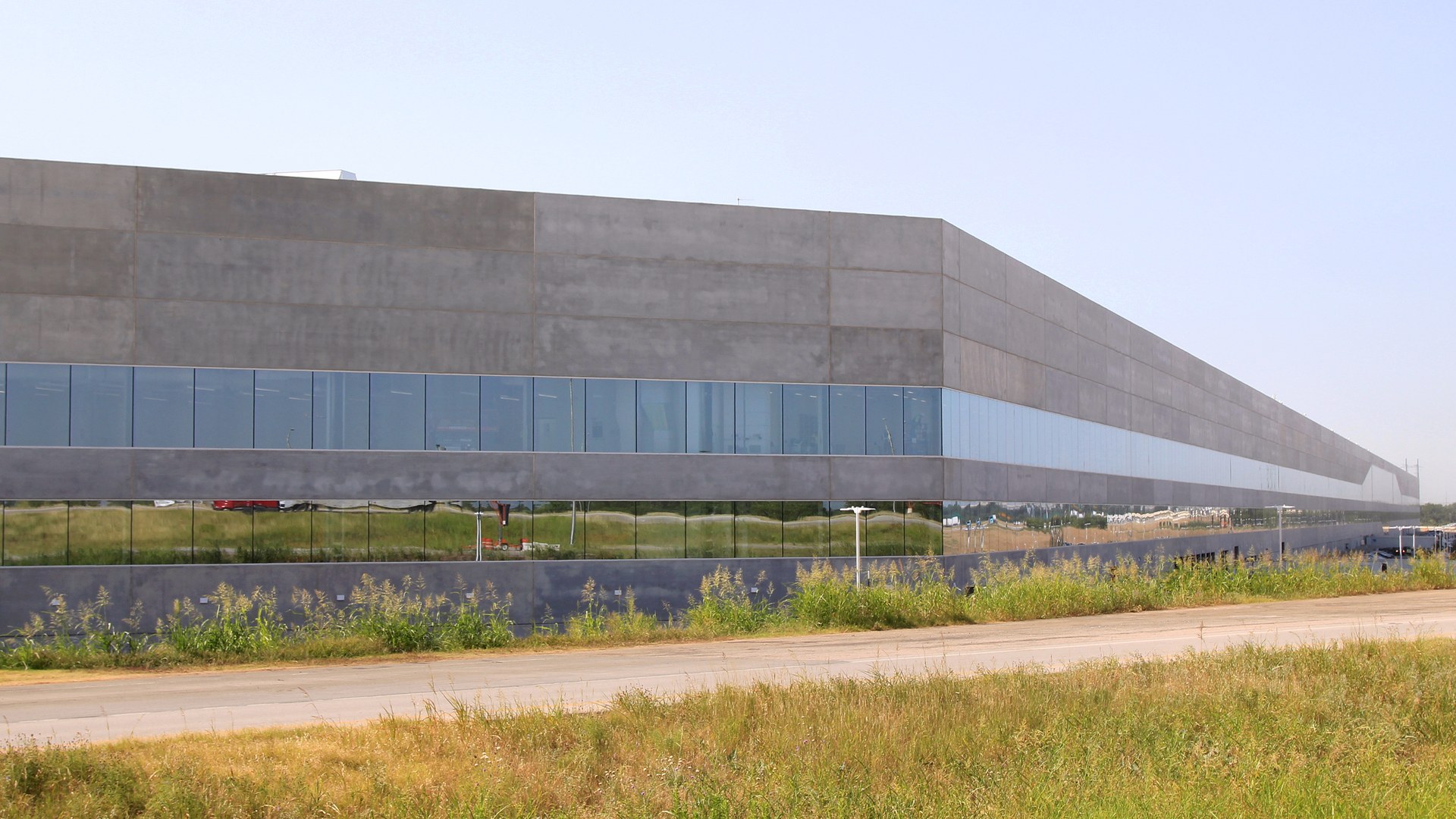
Auto — the cash engine
In Q2 2026, total automotive revenue was about $20.5B of $28.2B total revenue (~73%). Deliveries were a Q2 record at 480,126. Tesla’s preliminary Q3 2026 numbers (2 Oct) show 486,532 deliveries and 13.7 GWh of storage deployed; full Q3 financials are due 21 Oct 2026 (US time). Automotive gross margin was 16.9% GAAP, or 16.3% excluding regulatory credits (credits were only $146M that quarter, down sharply YoY).
So the boring truth: cars (plus related auto sales) still pay most of the bills. Volume, ASP, cost per vehicle, and regulatory-credit fade are the near-term P&L dials. Bulls say the fleet funds the AI flywheel. Bears say EV competition and price pressure make “carco” multiples the right ceiling unless something else scales.
FSD and robotaxi — the software / autonomy bet
This is the main valuation wedge. Supervised FSD is already a paid product; robotaxi is early commercial unsupervised service — not the same thing.
- FSD (Supervised): Active subscriptions reached about 1.48M by end of Q2 2026; Tesla reported record North America attach with over 55% of new deliveries including FSD subscriptions. Company footnote remains blunt: active driver supervision required; does not make the vehicle autonomous.
- Robotaxi: IR says the service is live in seven major U.S. metros, with unsupervised ramps called out in Texas and Florida metros, while Bay Area still uses a safety driver under California TCP rules. Cybercab production began at Gigafactory Texas; employee campus rides and public-road engineering tests are precursors, not a finished national fleet.
What people actually argue about: how fast unsupervised miles and paid rides scale, whether regulatory approval generalizes beyond a handful of metros, how much Cybercab utilization beats a supervised owner car, and whether FSD subscription attach turns into durable high-margin software — or stays a feature that only modestly lifts ASP.
Energy — real, smaller than the story weight
Energy generation and storage revenue was about $3.1B in Q2 2026 (~11% of total), with 13.5 GWh of storage deployed that quarter (Megapack + Powerwall combined in IR). Megafactory capacity tables list California and Shanghai Megapack in production and Texas commissioning for Megapack 3 / Megablock.
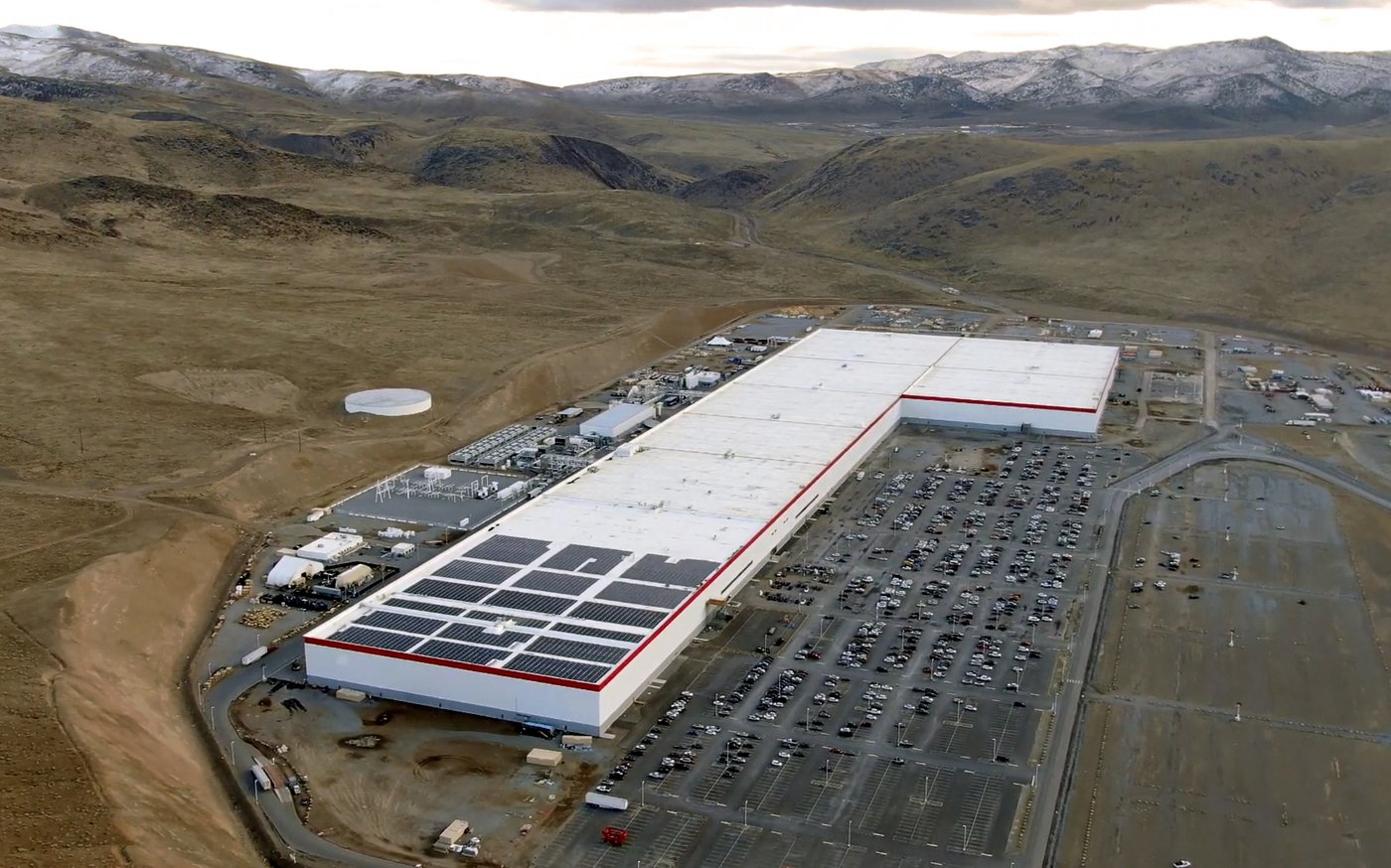
Energy is a real commercial business with utility customers and factory GWh — not vapor. It is also still an order of magnitude smaller than auto revenue. Bulls treat it as a high-growth grid/AI-power adjacency. Skeptics note Chinese BESS competition and that IR GWh mixes home and utility products.
Optimus — early hardware, heavy narrative
Optimus does not show up as a revenue line yet. Q2 2026 IR says Tesla decommissioned Model S/X lines at Fremont to install first-generation Optimus production lines, with initial builds headed to Optimus Academy for training data — not customer shipping. California and Texas Optimus lines are listed as under construction.
That is a real factory commitment. It is not proof of general-purpose labor at scale. The valuation argument is whether humanoid labor becomes a business larger than cars (company framing) or a long, capital-heavy R&D program that never clears useful unsupervised work. Prefer the Robotics paragraph in the Update over demo clips.
What investors actually argue about
| Layer | What’s measurable now (IR / ops) | The live debate |
|---|---|---|
| Auto | ~$20.5B Q2 auto revenue; 480k deliveries; ~16–17% auto gross margin | Is this a growth EV franchise or a maturing hardware cycle with margin pressure? |
| FSD / robotaxi | ~1.48M FSD subs; >55% NA attach; robotaxi in 7 metros; Cybercab production started | When do unsupervised paid miles become a material P&L — and at what margin? |
| Energy | ~$3.1B revenue; 13.5 GWh deployed in Q2; Megafactories scaling | Structural growth story or forever-subscale vs auto? |
| Optimus | Lines installing; Academy-first builds; no customer revenue disclosed | Factory bet on a new industry — or narrative premium ahead of product? |
Risks and honest caveats
- Cash vs multiple. Operating income was only $0.4B in Q2 2026 (1.4% operating margin) while capex jumped and free cash flow was −$1.1B. Investing for AI, factories, and robots can be rational — it also means near-term cash generation can look weak while the story stays rich.
- Execution and regulation. Robotaxi and Optimus timelines have moved before. City permits, safety cases, and hardware ramps are not spreadsheet certainty.
- Competition. EVs, BESS integrators, and other AV/robotics programs exist. Tesla does not own every narrative category by default.
- Not advice. Segment math explains what the argument is about. It does not say the stock is cheap or expensive at any given price.
Watch the quarterly Update’s revenue mix, auto margin ex-credits, FSD subscription counts, robotaxi metro list / paid-mile disclosures, energy GWh, and whether Optimus ever graduates from Academy builds to disclosed external deployments. Those are the primary-source dials. Everything else is interpretation.
Sources
- Tesla Q3 2026 Production, Deliveries & Deployments (SEC 8-K exhibit, 2 Oct 2026) — deliveries, storage GWh, earnings date
- Tesla Q2 2026 Update (IR PDF) — segment revenue, deliveries, margins, FSD subs, robotaxi metros, energy GWh, Optimus / Cybercab notes
- Tesla Investor Relations
- Tesla AI & Robotics — Optimus / autonomy product framing
Musk Industries is an independent archive — not affiliated with Tesla, Elon Musk, or related companies. Not financial advice. Nothing here is a recommendation to buy, sell, or hold any security.