
Short answer: Project Meridian is a 120-day Pentagon study of future warfare — the domains, gaps, and technologies the United States should pursue — co-led by Elon Musk, Anduril’s Palmer Luckey, and Newt Gingrich. Defense Secretary Pete Hegseth named them on 30 September 2026. A public recommendations report is due by 28 January 2027. It is a commissioned review, not a new weapons buy.
Acronyms: DoD = Department of Defense (the Pentagon; official materials in 2026 also use “War Department”). NSSL = National Security Space Launch (the US Space Force program that buys rocket rides for critical national-security satellites). LEO = low Earth orbit.
Why this matters
Headlines often blur “advisor,” “contractor,” and “commander.” Hegseth’s Quantico announcement puts Musk on a short, time-boxed study of what future battlefields might look like and which capabilities the United States should chase — under the Pentagon’s chief technology officer. That is different from buying a rocket or a satellite network. Understanding the distinction keeps the story about real tech roles: SpaceX already launches and connects for national security; Project Meridian is about mapping the next decades, not shipping a new missile next week.
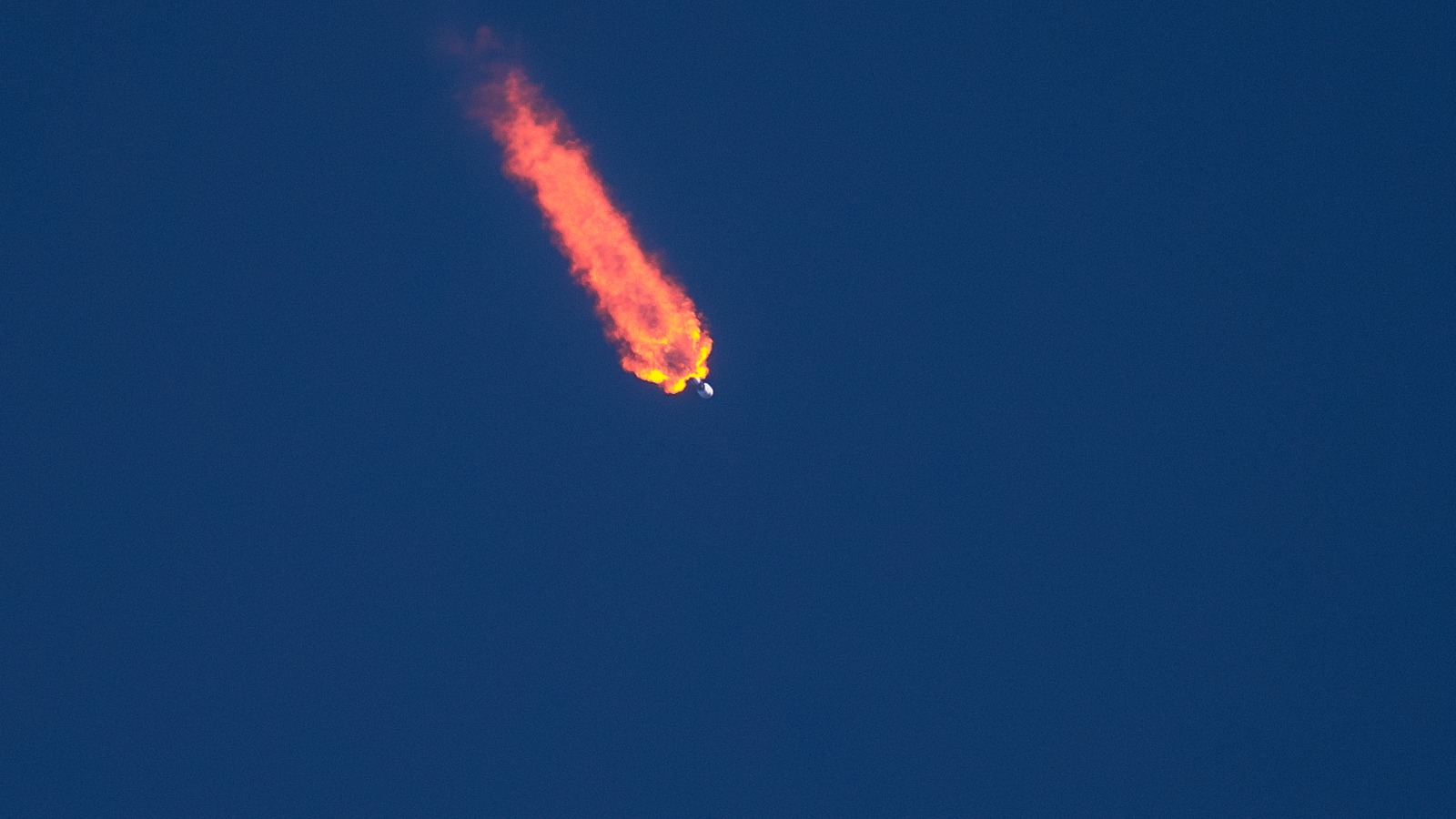
What Hegseth actually announced (30 Sep 2026)
In a “State of the Force” address at Marine Corps Base Quantico, Virginia, Hegseth listed six initiatives. One was Project Meridian — described as an effort led by outside technologists and leaders to study the future of warfare. Per contemporaneous reporting of the speech and the same-day memo:
- Co-leads named on stage: Elon Musk, Palmer Luckey (Anduril), and Newt Gingrich, under the department’s chief technology officer (Emil Michael).
- Job of the project: map trajectories of future wars and domains, identify capability gaps, and propose actionable solutions aligned with the 2026 National Security Science and Technology Strategy — spanning environments Hegseth framed from “under the Earth” to “beyond the moon” / the cislunar frontier.
- Clock: roughly 120 days; findings and an unclassified recommendations report due by 28 January 2027.
- What it is not (yet): a published Sole Source weapons contract, a combatant-command appointment for Musk, or a finished acquisition plan. It is a study with a deadline.
The same speech also announced a planned four-star Autonomous Warfare Command (AUTOWARCOM / AutoWarCom) and an interim “Project Agincourt” path to scale drones and autonomy — related to the broader “future of warfare” theme, but a separate institutional track from Meridian’s study panel.
Primary / near-primary reads: US Army / Pentagon News write-up of the Quantico address; Breaking Defense and Snopes quoting the speech and the Project Meridian commissioning memo (PDF).
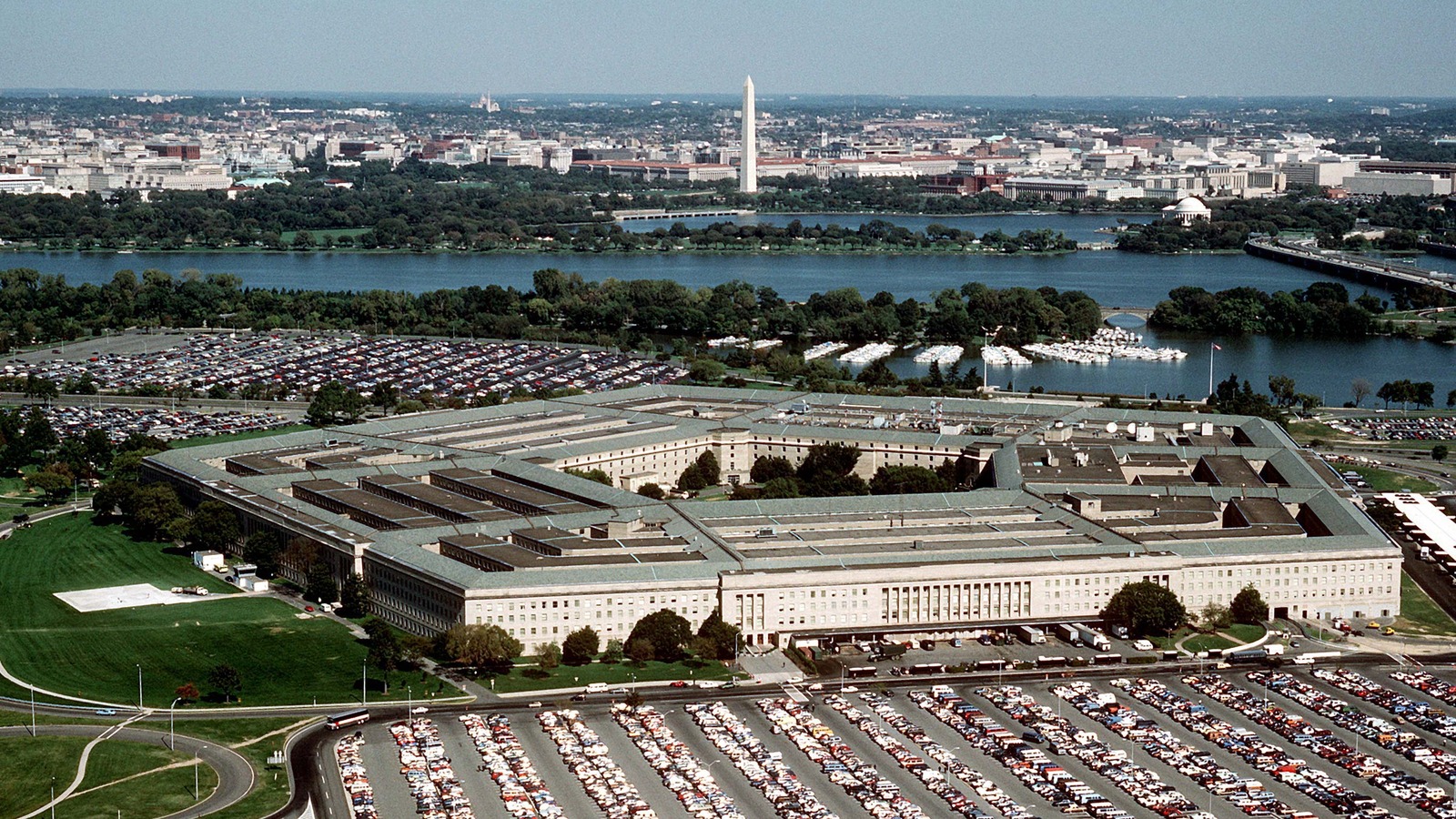
How Musk company tech already fits national security
Project Meridian is new as a named study. The industrial footprint is not new. Three sourceable lanes matter most for readers who want capability, not vibes:
1. Starshield — government-focused satellites
SpaceX markets Starshield as a secured satellite network for government users, built on Starlink technology and launch capacity, with an initial focus on Earth observation, communications, and hosted payloads — plus extra high-assurance cryptography for classified work. That is SpaceX’s own product framing, not a rumor blog. Primary: spacex.com/starshield.
2. Starlink / Starshield communications in contested use
After Russia’s 2022 invasion of Ukraine, Starlink terminals became a widely reported resilient communications layer. In June 2023 the Pentagon confirmed it contracts with Starlink for satellite communications services of that type for Ukraine. Later reporting (including Space Force statements to the press) described contract extensions and moves to give terminals access to more secure Starshield-class signal paths. Treat company and DoD statements as the floor; treat unverified “weaponization” anecdotes as secondary.
3. National Security Space Launch (NSSL)
The US Space Force buys launch for high-stakes national-security payloads through NSSL. SpaceX is a Phase 3 provider: Space Systems Command’s April 2025 Lane 2 awards listed SpaceX among the contracted launch companies (anticipated multi-billion-dollar ceiling alongside ULA and Blue Origin), and FY26 mission assignments included multiple SpaceX flights. Separate Lane 1 task orders have likewise gone to SpaceX for national-security and sensing-related manifests. In plain English: when the United States needs reliable rides to orbit for critical satellites, Falcon is already on the roster.
| Lane | What it is | Status vs rumor |
|---|---|---|
| Project Meridian | 120-day future-warfare study co-led by Musk, Luckey, Gingrich | Announced 30 Sep 2026; report due 28 Jan 2027 |
| Starshield | SpaceX government satellite / secure comms product line | Product + contracts (company page; Space Force task orders reported) |
| Starlink for Ukraine (DoD-funded) | Contracted satellite internet for resilient comms | Confirmed by Pentagon statements from 2023 onward |
| NSSL launches | Space Force national-security launch services | Awarded / assigned Phase 3 missions to SpaceX (official SSC releases) |
| “Musk runs the Pentagon” / secret AI weapons czar | Internet shorthand | Not what was announced — Meridian is a study panel, not operational command |
What’s announced vs what’s opinion
Announced / documentable: Hegseth’s Quantico naming of Musk as a Meridian co-lead; the memo’s study mandate and January 2027 report date; SpaceX’s public Starshield offering; DoD confirmation of Starlink contracting for Ukraine; Space Force NSSL awards and mission assignments to SpaceX.
Still open: what Meridian’s unclassified report will actually recommend; how much personal time Musk spends vs staff/advisors; whether Meridian ideas become budget lines in future defense bills; classified program details that will not appear in public summaries.
Skip the pile-on: culture-war scorekeeping and personality drama do not change the capability facts. The useful question for a curious friend is: what can the stack already do, and what is only a study?
Calm caveats
- Study ≠ procurement. Meridian proposes; Congress and the services still have to fund and field.
- Vendor + advisor tension. Musk’s companies hold defense-related contracts while he co-leads an outside study. That dual role is public; readers can watch for conflict-of-interest scrutiny without inventing outcomes.
- Other firms are in the room. Luckey’s Anduril is a defense-tech peer on Meridian; NSSL also uses ULA and Blue Origin. This is not a one-company monopoly story.
- Classified gaps. Much national-security space work stays behind clearances. Public Starshield and NSSL pages are the honest ceiling for an open archive.
Milestone board (we update these in place)
| When | What happened |
|---|---|
| 2022– | Starlink terminals used at scale in Ukraine; later DoD contracting confirmed (Jun 2023+) |
| 2023+ | SpaceX publishes Starshield as government-focused LEO capability |
| Apr 2025 | Space Force awards NSSL Phase 3 Lane 2 contracts including SpaceX |
| 30 Sep 2026 | Hegseth announces Project Meridian; names Musk, Luckey, Gingrich as co-leads |
| 28 Jan 2027 | Meridian unclassified recommendations report due (watch this date) |
The honest excitement is not that one speech put a civilian in charge of war. It is that the United States is formally asking industrial builders who already lift mass to orbit and run proliferated LEO networks to help map the next fight — while those same companies keep shipping the boring, essential bits: launches, terminals, and encrypted links.
Sources
- Hegseth delivers ‘State of the Force’ address (US Army / Pentagon News, 2 Oct 2026)
- Commissioning of Project Meridian memo (PDF, 30 Sep 2026)
- Hegseth announces drone command + Project Meridian (Breaking Defense, 30 Sep 2026)
- What we know about Project Meridian (Snopes, 1 Oct 2026)
- Hegseth appoints Musk to future-of-warfare taskforce (The Guardian, 30 Sep 2026)
- Starshield (SpaceX)
- Pentagon confirms Starlink contract for Ukraine (Reuters, 1 Jun 2023)
- NSSL Phase 3 Lane 2 contract awards (US Space Force)
- NSSL Phase 3 Lane 2 FY26 mission assignments (Space Systems Command)
Musk Industries is an independent archive — not affiliated with Tesla, SpaceX, Elon Musk, xAI, the US Department of Defense / War Department, or related companies. Not financial or military advice.